Uncategorised
9 Tips on Preparing for the Holiday Season

Holiday retail is more important than ever. According to Retail TouchPoints, consumer spending is expected to grow by 3.5% this holiday season. What’s more, eCommerce is projected to grow at an even faster rate, by another 9-12% over the 2013 holiday season.
This hits close to home with us at Canopy Labs; some of the retailers we work with generate more than 50% of their annual revenue during the holiday period, with their biggest sales days around Thanksgiving and in December. With such a quick ramp-up in traffic and sales, companies need to make sure they get their marketing strategy down well in advance of the holidays. Here are 9 tips on preparing your company for the busy months ahead.
1. Optimize for Mobile

More than 25% of holiday eCommerce purchases are now made on mobile devices such as smartphones and tablets, and 43% of holiday traffic is expected to come from mobile. At the very least, businesses need to make sure their website and promotional emails are mobile friendly and responsive. For other retailers, mobile purchases might even be important enough to warrant a smartphone app that allows customers to browse products from their phone.
2. Send out a Holiday Wishlist
Want to find out which products will be the biggest sellers this holiday season? Send out a preview of your holiday lineup in early November, and let your customers “vote” or add products to their wishlist. You’ll instantly know which products are likely to sell well, and you can price-adjust or stock accordingly.
3. Show Product Availability
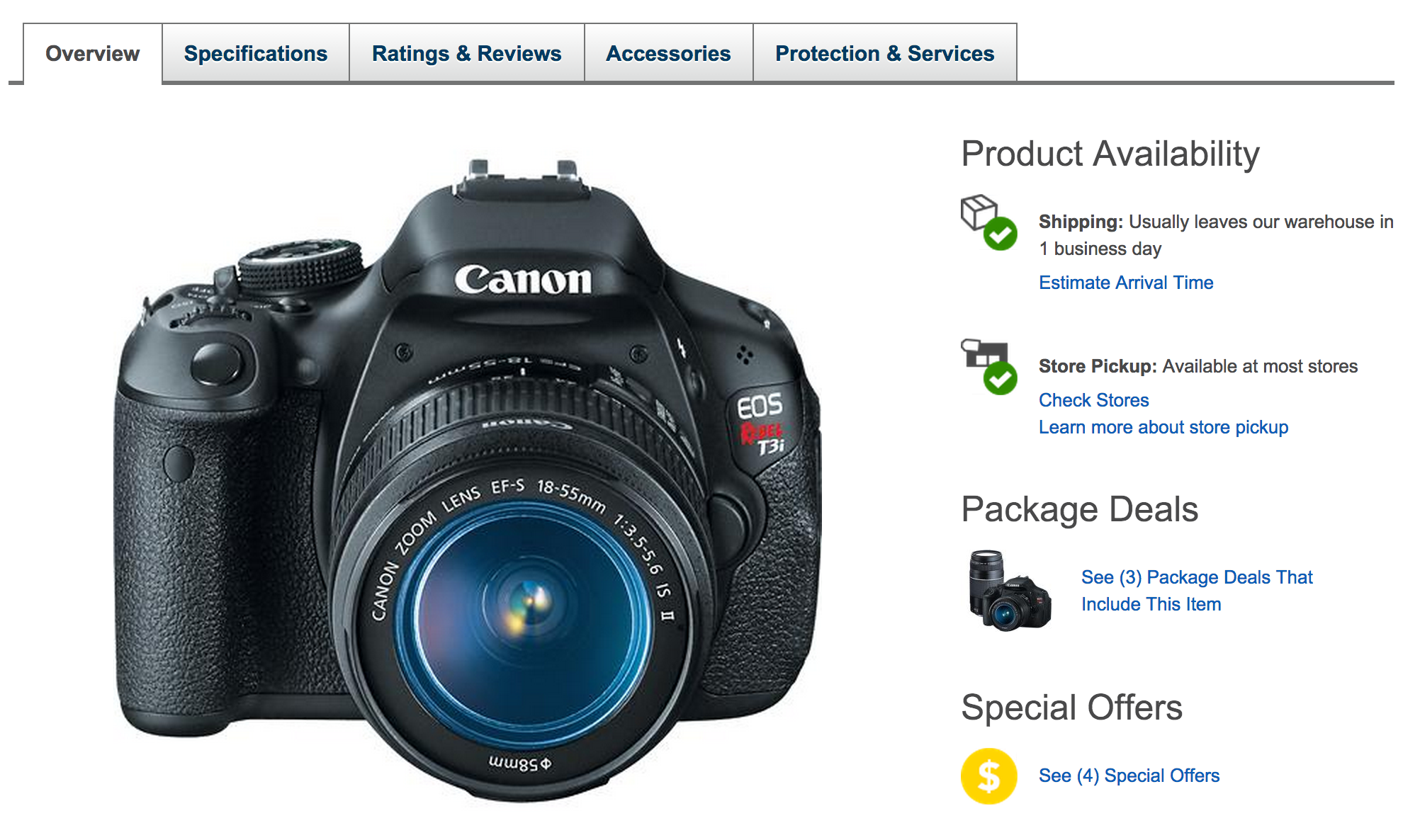
In today’s “instant gratification economy”, customers expect to know how quickly their online orders will arrive, and what options they have to get it faster. Add features that show product availability on their websites, preferably updated automatically based on warehouse inventory and shipping information. For example, Best Buy’s website shows the current availability of every product on purchase. Customers can easily find a product’s shipping availability, or check local store inventory for pickup.
4. Offer Free Shipping
According to Deloitte, 71% of online shoppers now consider the availability of free shipping in choosing where to make their holiday purchases. Businesses should aim to offer this basic service for their online business, especially if they’re competing with other retailers such as Amazon, which offers free shipping on orders over $35 (or on Prime).
5. Make Product Videos
Video plays an important role in converting customers to purchase, especially for high-ticket items that perform best when demonstrated in a product video and feature showcase. Businesses can make better use of its product pages by adding these videos, photo galleries, and other visual elements to help sell their products.

Take the example of Ariat, an online clothing and lifestyle store, which found that customers who watched a product video were 160% more likely to buy than a user who simply browsed their website. Providing a product video will often make the difference for customers who were still on the fence about buying a product at the time.
6. Provide Customer Support – Wherever They Want It
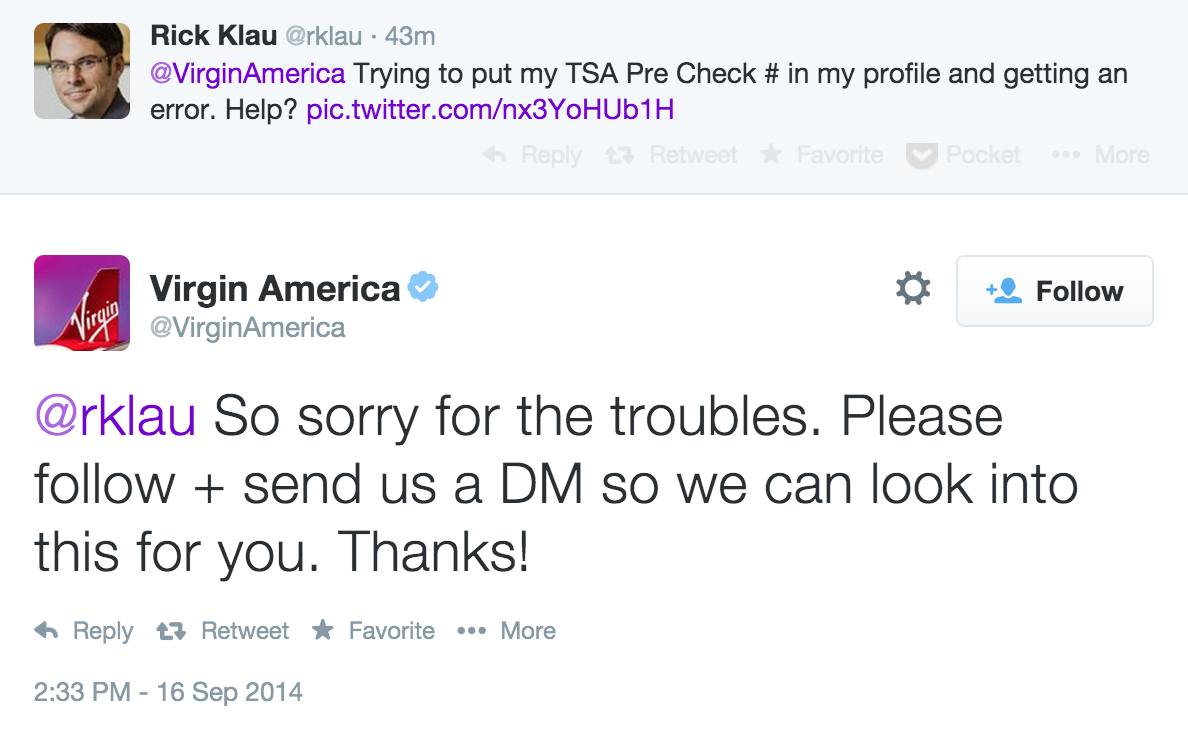
Customers talk about their latest purchases on a variety of platforms, from Yelp to Twitter to Facebook. Companies should be actively monitoring these channels, responding to customer questions and complaints, wherever they may take place. Actively providing customer support over these “indirect” channels is a great way of addressing customer problems, and your users will respond to the outreach positively!
As an example, Virgin America uses Twitter to actively answer customer questions and address complaints. By reaching out to customers and monitoring trending topics, the airline is making sure that customers ultimately leave happy and choose to fly with them again in the future – probably around the holiday season!
7. Suggest Products in Transactional Emails
Transaction receipts have some of the highest open rates of all email marketing messages. Instead of simply confirming that an order has been placed, why not use this opportunity to cross-sell other products that customers might also be interested in? Suggest accessories and products that go well with the product they last purchased – but remember to do so in a tasteful manner.
8. Encourage Customers to Order Early
We all know the feeling – that last-minute surge of orders just a few days before Christmas, and your team left wondering why these customers didn’t make their purchases back in November. To make this holiday season more manageable for your fulfillment team, offer incentives that encourage your customers to get their holiday shopping done early. For instance, consider providing a 20% discount on orders made before November 30, or send an email reminder to customers who usually purchase very late in the season. Either way, it’ll make life easier for your team when the week before Christmas comes.
9. Personalize the customer experience
Consumers today receive more marketing messages than ever before, and are more expecting more from their shopping experiences. Businesses need to adapt their strategies and efforts accordingly, and personalize the customer’s shopping experience from email to checkout. While segmentations and surveys were good enough for many years, today’s consumers respond best when they feel they are developing a personalized relationship with the brand or businesses.
Use personalization tools (such as our own here at Canopy Labs) to cater to the unique tastes of every customer, combined with triggered marketing campaigns to send the optimal message and at the right time to your customers.
Looking for some email marketing ideas for your holiday campaigns? Click here to download our free 52 Email Marketing Ideas cheat sheet today!