Uncategorised
Tips for Winning the Teenage Market

If you work in the fashion, electronics, or entertainment industries, then you already know that the teenage market represents a big opportunity for growth. But with so many screens and networks competing for the teenage mindshare, how can your business stand out amidst the crowd? When they’re not in school, they’re either picking out an Instagram filter on their phones, sitting on the couch playing Call of Duty, or scrolling through Tumblr on their laptops. No matter where they are, they are attached to some form of technology.
To learn more about winning over this market, we asked a few teenagers in Toronto on their thoughts about social media, effective marketing, and email marketing – and have compiled their top tips here.
Tip 1. Bring your brand to Instagram
According to a recent 2014 study by Piper Jaffray, Facebook’s popularity among teens continues to slip, while Instagram has nearly tripled its popularity in the United States. As young adults leave the “old” worlds of Facebook and Twitter for the newer spaces of Tumblr, Snapchat and Instagram, fashion brands have taken their marketing strategies to these new platforms as well. One of the most popular social media platforms today is Instagram, a Facebook-owned photo blog with over 200 million active monthly users. We interviewed a 17-year-old boy about marketing on this platform, and he responded, “Fewer people have Instagram but visibility is definitely higher. More people go to Instagram for that purpose and it’s easier to stand out above the clutter because Facebook has so many other things going on.”
So how can your company use Instagram effectively? There are a variety of ways to market your products and brand. First, there’s the hashtag search function, which is similar to Twitter and allows your customers to connect with your brand. In addition, you can post pictures of your merchandise, photos of models wearing your latest products, news about sales events or promotion contests that grow your followers or subscriber base.
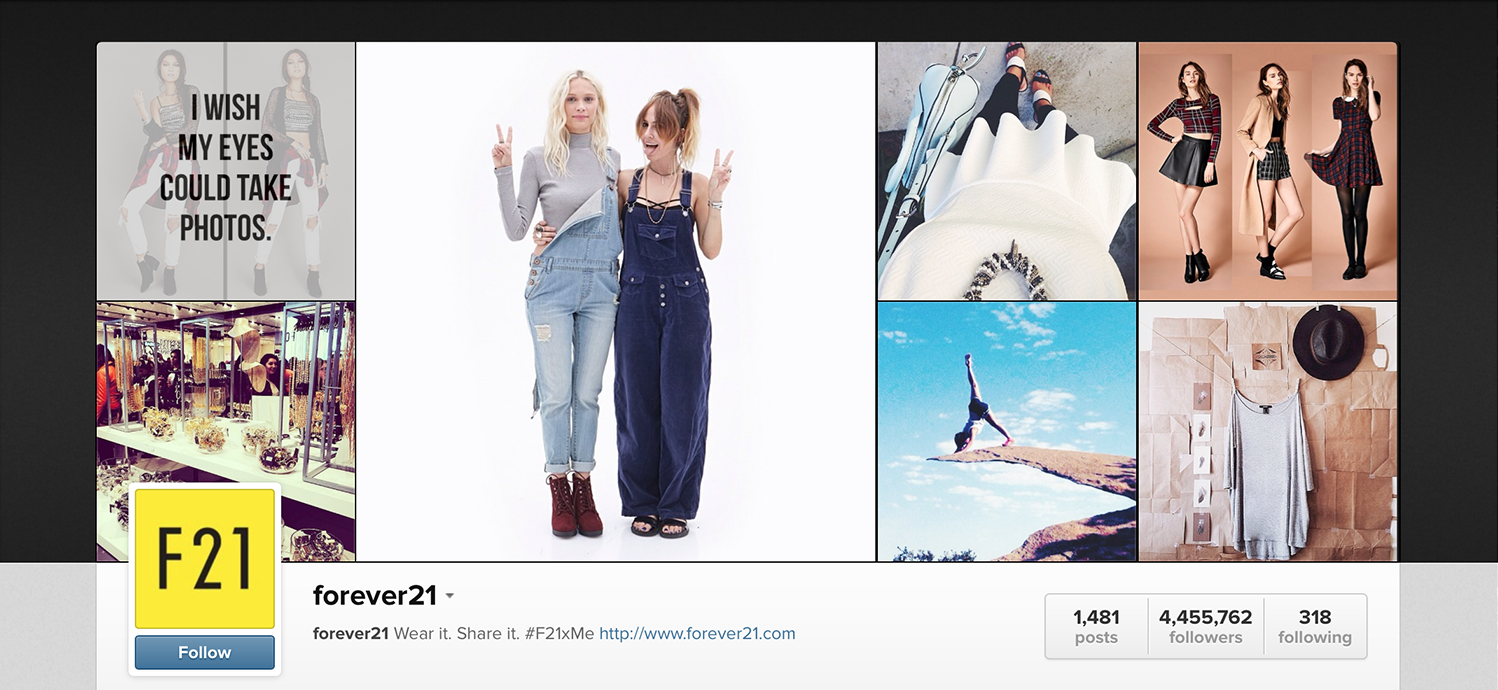
For example, one popular clothing brand, Forever 21, has nearly 4.5 million followers on Instagram, making it the third-most popular Instagram account amongst clothing companies. In fact, each post by Forever 21 receives an average of 125,000 likes, demonstrating their popularity and brand appeal amongst consumers. Forever 21 uses Instagram for a variety of posts, including promotions, sales announcements, answers to customer questions, and photos of their products worn on models. In doing so, they have created an Instagram blog with a clear theme and lifestyle that appeals to most teenagers.
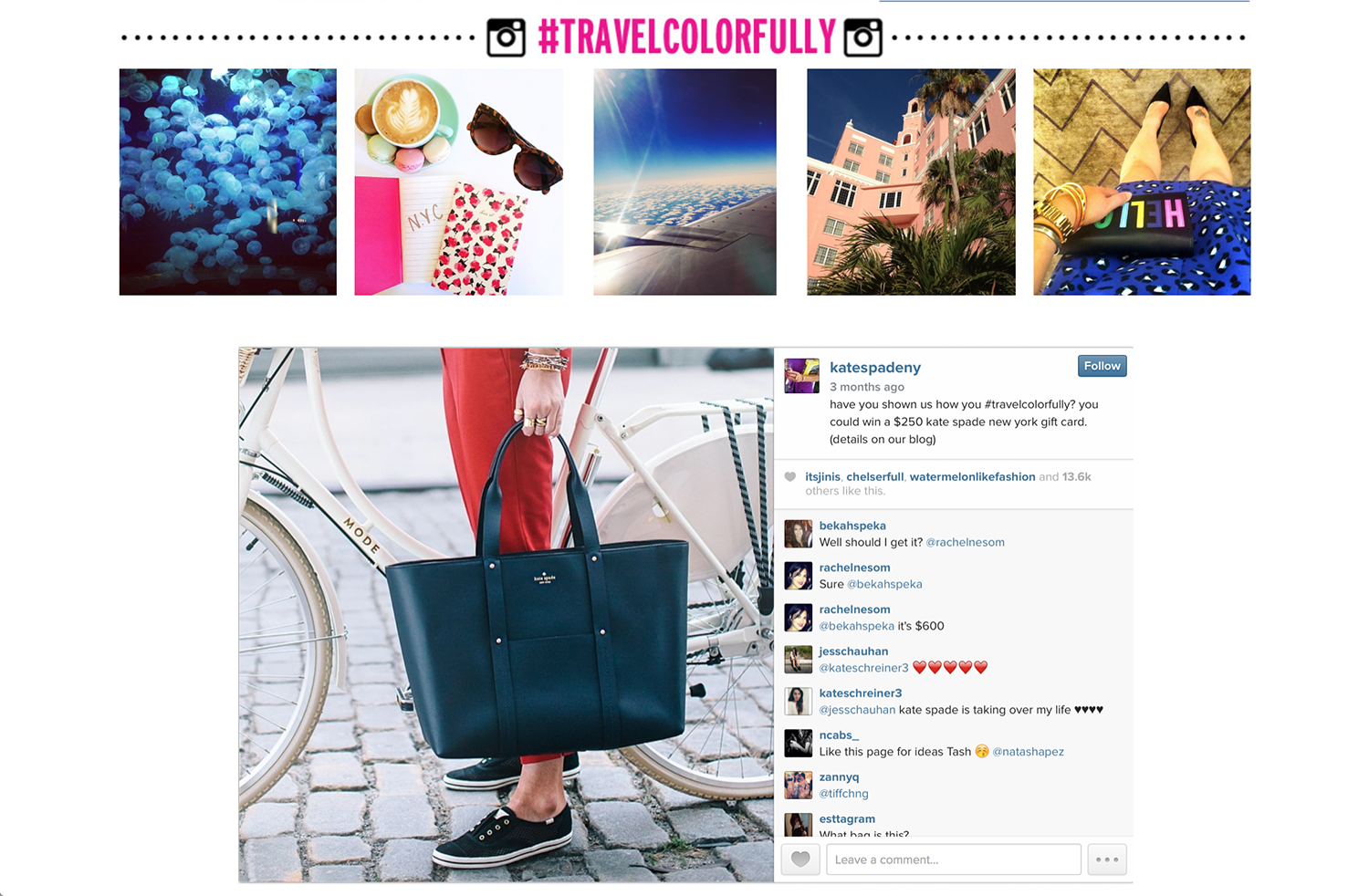
Another great example of a company using Instagram is Kate Spade New York. Kate Spade uses Instagram to promote a fashionable, urban lifestyle built around its products and accessories. Through their current social media campaign, #TravelColorfully, the company keeps followers engaged with special contests, such as one where they can win $250 if they share pictures of their outfits while on vacation this summer. With over 11,000 submissions, it is clear that the #travelcolorfully lifestyle has generated a lot of brand impact for to Kate Spade.
Tip 2. When it comes to emails and websites, stick to pictures
We all know that old saying: a picture is worth a thousand words. Indeed, this may be even more true for the teenage market – according to a recent study featured in Vox, American teenagers spent only an average of 4 minutes a day reading outside of school days. Indeed, one teenager we interviewed replied, “Visuals I feel appeal more to adolescents because it grabs their attention and allows them to remember the product or message incorporated with that visual. It makes them think of that poster or visual every time that they hear something related to it.”
The takeaway for marketers? Design emails, advertisements, and websites that can capture their attention within seconds. Add dynamic and artistic graphics to your brand messaging, use bold color combinations, and write strong and clever taglines or messages that capture their attention and social media chatter.
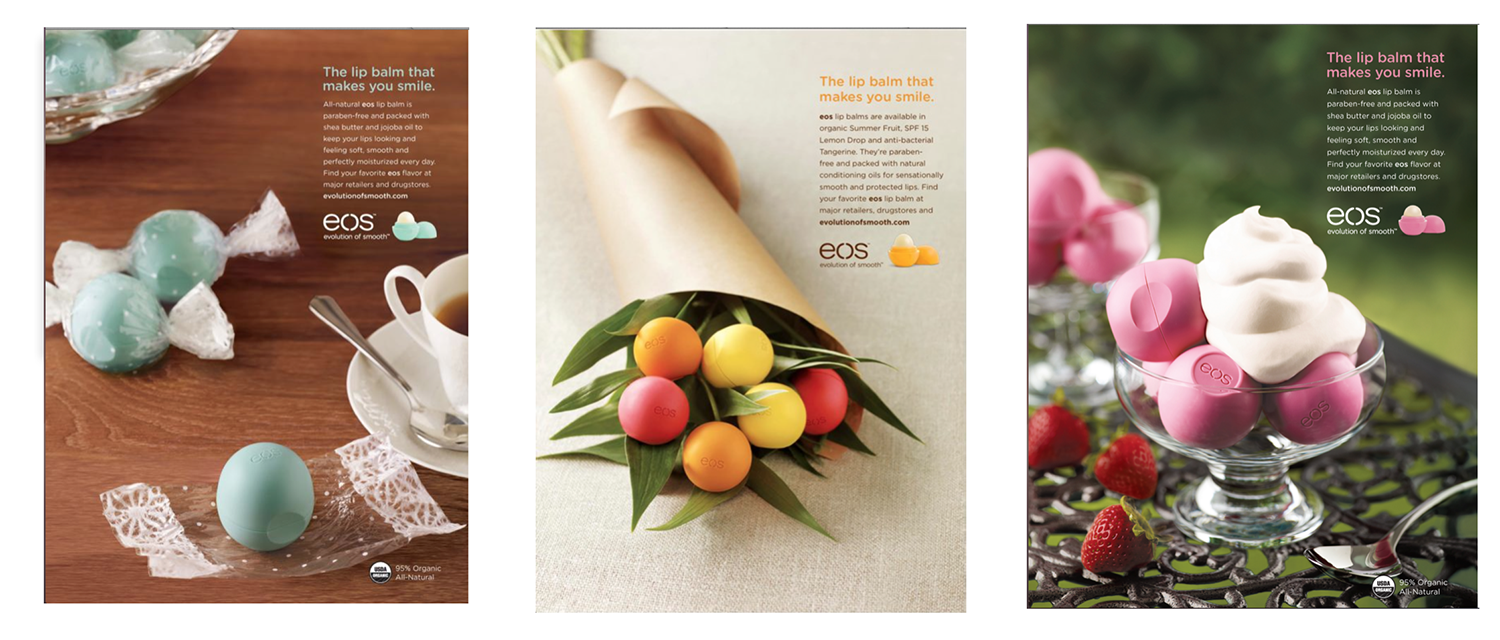
One company that has successfully marketed its products in this way is EOS Lipbalm. Their marketing strategy appeals well to youth because their products are presented in unique everyday situations, promoting what they call a “delightfully beautiful” lifestyle. Overall, companies that are targeting teenagers definitely need to be able to incorporate their products with graphics that can easily be distinguished among all other brands.
Tip 3. Do email marketing – but make sure you’re doing it right
We know that email marketing continues to be a cornerstore of digital marketing and revenue generation – but how does this apply to the teenage market? When we asked a 16-year-old male and female about email marketing, their reaction was, “I don’t really like receiving many emails from stores. I find that they are sent to me much too frequently and the content does not appeal to me, as they do not send me useful or interesting information. The email usually contains the same advertisements and a few pictures of the product, which I could easily access through their website or social media pages.”
The takeaway from all this? Many teenagers feel that email newsletters don’t match their purchase interests and preferences, or even their preferred delivery cycle. When these businesses constantly push featured products that don’t resonate with them, they risk driving up unsubscribe rates and hurting their brand amongst this market.
That’s why it’s so important for businesses to customize their email content across demographics, age ranges, and regional variations. Better yet, companies that use product recommendation engines (disclosure: our platform offers a product recommendation engine for businesses) can then offer individualized recommendations for every customer on their mailing list, based on past purchase data, email clicks, and website visits.
It’s also critical for companies to test out different delivery schedules for email. Some customers happily read emails daily, while others only want to see them once a month. By testing out open/click rates, and comparing different revenue numbers, companies can figure out the best schedule and frequency to send email newsletters that grows their sales, and improves their brand visibility amongst the highly coveted teenage market.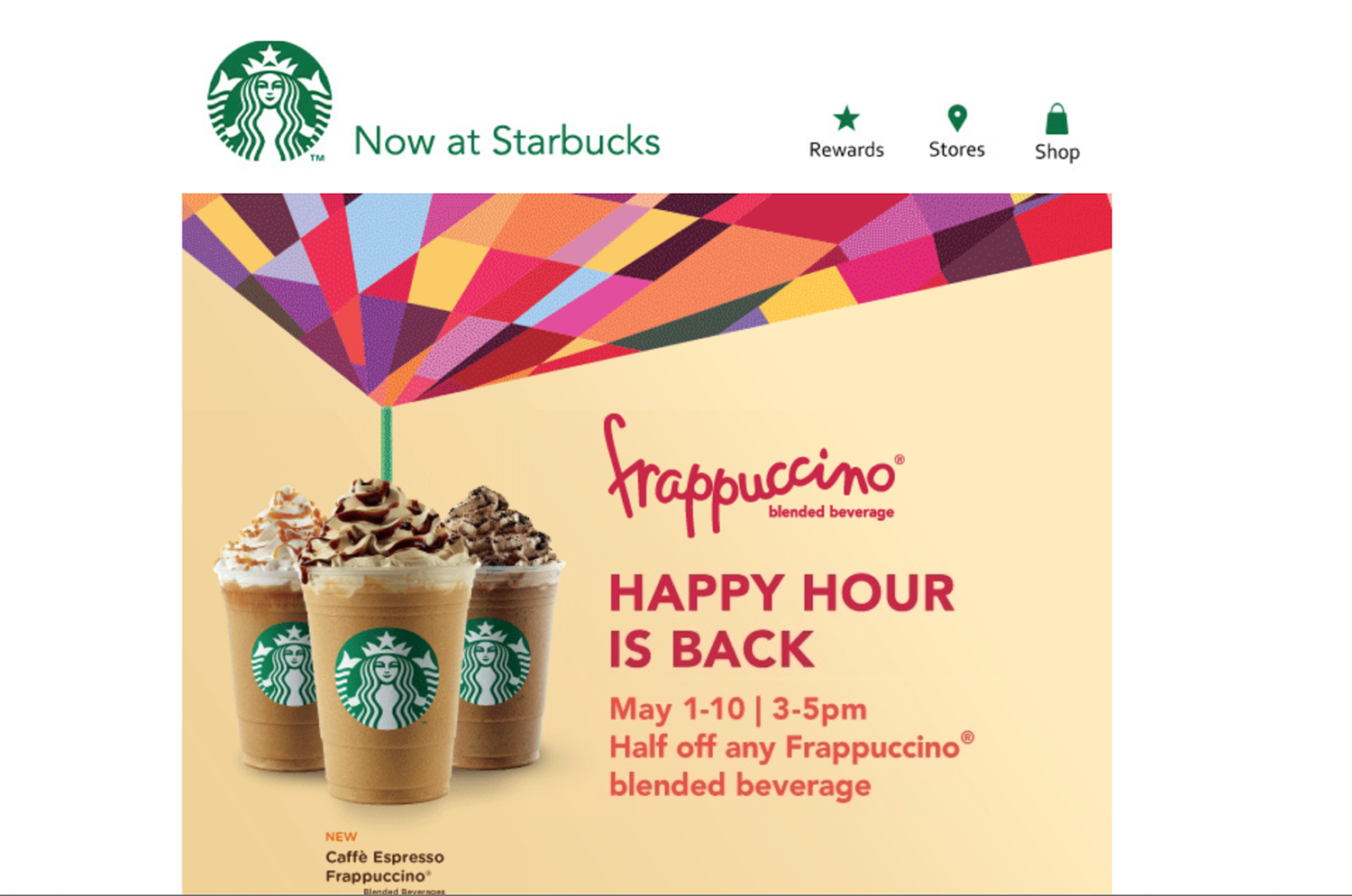
Are you a business that focuses on marketing to teenagers? Share some of your best tips, feedback, or general thoughts in the comments below – or feel free to contact us here at Canopy Labs!